Planets
Rahu in Vedic Astrology – Meaning, Significations, Strength & Remedies
Rahu (graha) in Vedic astrology: karakas, dignity, friendships, career and relationship themes, dasha flavour, and remedies — Jyotishe guide.
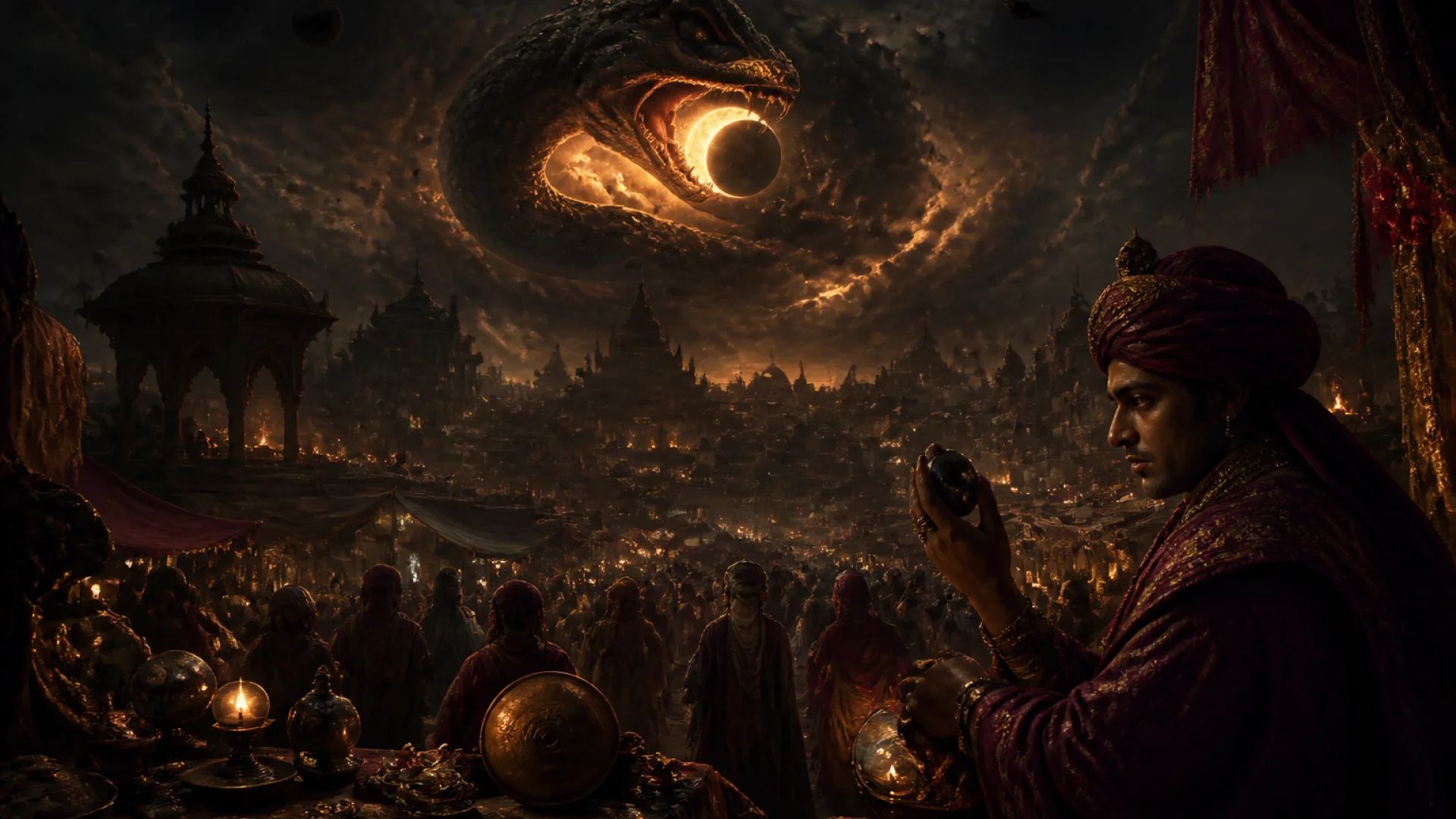
Rahu (Rahu) is a malefic graha of Air (Vayu) nature. Rahu is the north node of the Moon—a shadow graha of hunger, ambition, and worldly obsession. Where Rahu sits, you crave experience beyond the familiar, often breaking rules to get there.
This guide explains Rahu significations (karakatva), strength factors, natural relationships with other planets, career and relationship themes, health associations, Vimshottari dasha flavour, and remedies. For house-by-house results, see the companion series Rahu in all 12 houses.
Rahu at a glance
| Aspect | Detail |
|---|---|
| Sanskrit | Rahu |
| Nature | malefic |
| Tattva | Air (Vayu) |
| Gender | Male |
| Weekday | Saturday |
| Gemstone | Hessonite (Gomed) |
| Metal | Lead |
| Color | Smoky, Brown, Black |
| Direction | Southwest |
| Digbala house | No classical Digbala; strongest in Upachaya houses (3, 6, 10, 11) |
| Exaltation | Gemini (Taurus in some traditions) |
| Debilitation | Sagittarius (Scorpio in some traditions) |
| Own signs | Aquarius (co-significator with Saturn) |
| Moolatrikona | Not assigned in classical Parashara texts |
| Vimshottari dasha | 18 years |
Significations (Karakatva)
Rahu signifies the following life areas. When the planet is strong and well-placed, these themes tend to flourish; when afflicted, the same themes need conscious repair.
- Obsession and desire
- Foreign lands and cultures
- Technology and media
- Illusion (Maya)
- Sudden events
- Paternal grandfather
- Poison
- Unconventional paths
- Masses and crowds
Strength, dignity and digbala
Classical strength includes exaltation (Gemini (Taurus in some traditions)), own sign, moolatrikona (Not assigned in classical Parashara texts), and digbala — directional strength, often associated with house No classical Digbala; strongest in Upachaya houses (3, 6, 10, 11) for Rahu. Debilitation at Sagittarius (Scorpio in some traditions) weakens natural expression unless cancelled by neecha bhanga yogas.
Also weigh shadbala, ashtakavarga, combustion (for non-nodes), and retrograde status. A “weak on paper” planet can still give results through yogas or during its dasha if the chart supports it.
Friendship and enmity
Friends: Mercury, Venus, Saturn, Ketu.
Enemies: Sun, Moon, Mars.
Neutral: Jupiter.
Temporary friendship (based on house positions from each other) can modify natural relationships — always check both layers before predicting conflict or support.
Career themes
Rahu colours vocation through the houses it rules and occupies. Common career fields include:
- Information technology
- Media and film
- Politics and mass movements
- Aviation
- Import-export
- Research and innovation
- Occult sciences
- Pharmaceuticals
- Unconventional entrepreneurship
For placement detail, read Rahu in each house of the kundali, and note the signs it occupies across the twelve rashis.
Relationships and emotions
Rahu intensifies desire and can create obsessive or unconventional relationship patterns. It may attract foreign partners or relationships that break social norms, requiring conscious grounding.
Synastry and matching still require Venus, Jupiter, the 7th house, and dashas — Rahu is one voice in a larger conversation.
Health associations
Traditional medical astrology links Rahu with:
- Psychological disorders
- Phobias and anxiety
- Poisoning
- Unexplained ailments
- Skin eruptions
- Addictions
- Epidemic susceptibility
These are correspondences for chart reading, not medical diagnoses.
Dasha flavour
In Vimshottari, Rahu mahadasha lasts 18 years. Themes of the houses it occupies and rules, plus nakshatras it owns, become louder. Antardashas of friends usually flow more easily than those of enemies — subject to the full dasha tree.
Remedies
Prefer ethical living and deity worship over expensive shortcuts. Wear Hessonite (Gomed) only after professional chart advice.
- Recite Rahu mantra or Durga Chalisa during Rahu Kaal avoidance
- Donate hessonite-related charities or feed stray dogs
- Wear hessonite garnet only after expert guidance
- Practice meditation to reduce obsessive thinking
- Avoid deceit, shortcuts, and intoxicants
How to find this in your kundali
Your Moon nakshatra, lagna, and planetary houses are calculated from accurate birth date, time, and place. On Jyotishe you can ask a focused question or book a consultation so an astrologer reads Rahu in your chart in the context of the whole chart — not as an isolated label.
Remember: dignity, aspects, dashas, and yogas can strengthen or soften any single placement. Use this guide as a map, then verify with your full kundali.
Frequently asked questions
What does Rahu represent in Vedic astrology?
Rahu primarily signifies: Obsession and desire, Foreign lands and cultures, Technology and media, Illusion (Maya), Sudden events.
Is Rahu a benefic or malefic?
Rahu is classically treated as malefic, though chart context can make its results supportive or challenging.
Why is Rahu called a shadow planet?
Rahu has no physical body; it is the ascending lunar node where the Moon's path crosses the ecliptic. Jyotish treats it as a graha whose eclipse symbolism represents illusion, sudden disruption, and insatiable desire.
Which day is associated with Rahu?
Saturday is the traditional weekday linked with Rahu.
Where can I read Rahu house-by-house?
See the Jyotishe series “Rahu in All 12 Houses” and individual posts for each house placement.
Get your kundali reading on Jyotishe
Birth-star and planet-house themes are tendencies — your full chart decides timing and strength. Ask a kundali question, book a consultation, or see current offers.